References
INTO THE BARGAIN: ONCE UPON A TIME BY CÉLINE FERRIE
By Ruby Hanna
“The world needs fantasy, not reality. We have enough reality today.”
- Alexander McQueen
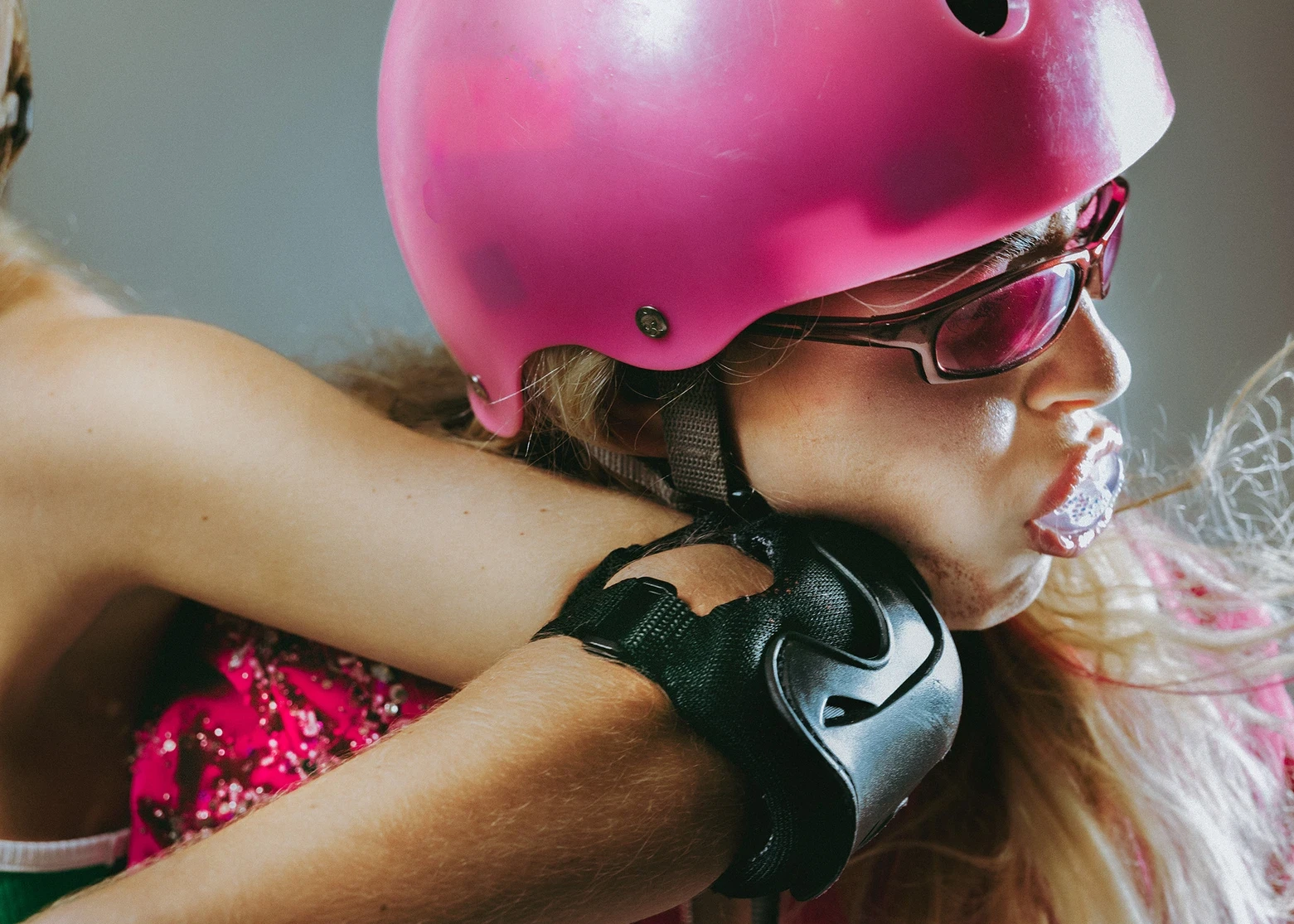
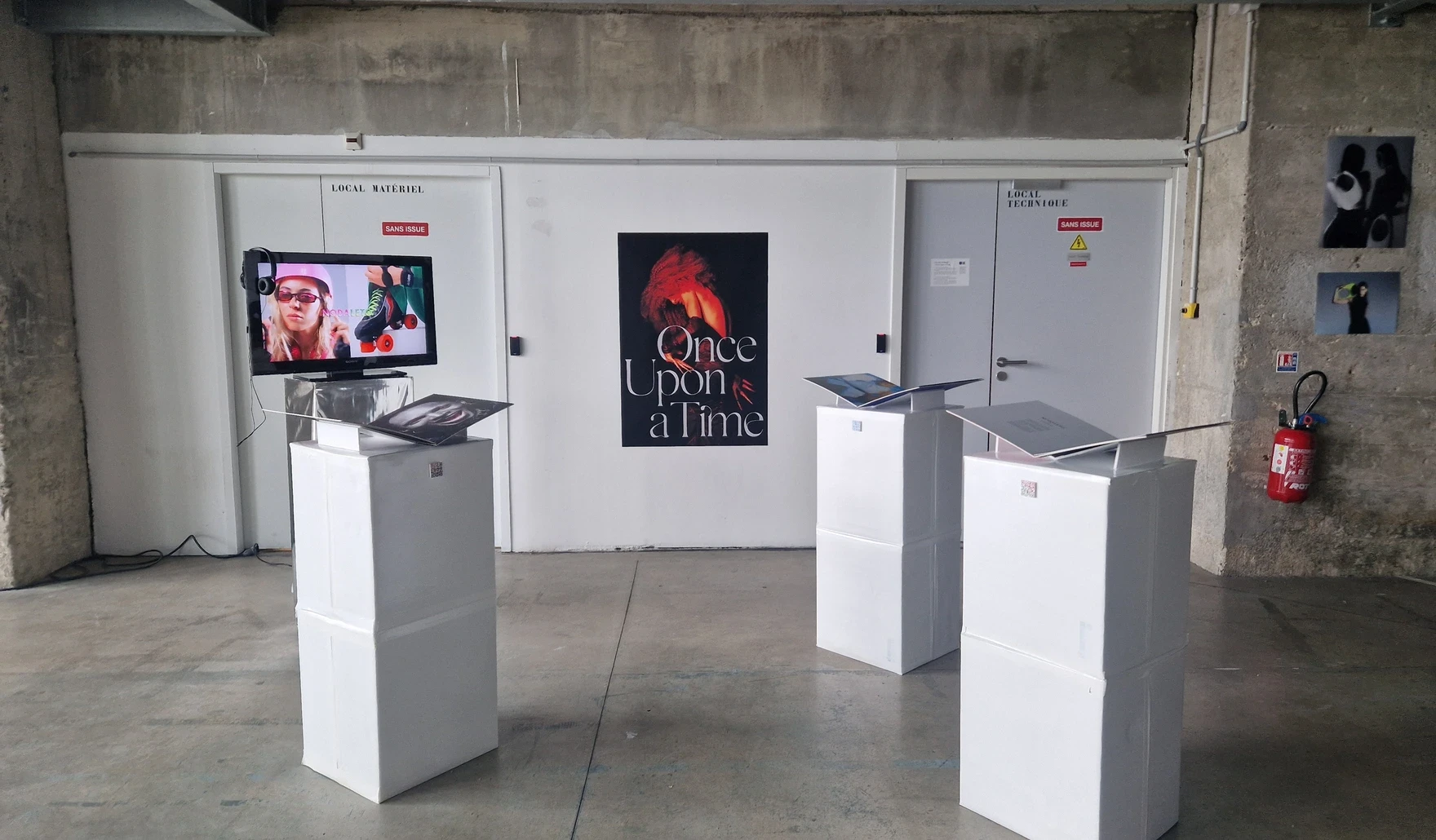
Tucked away towards the back of the Magasins Généraux exhibition hall at the IFM Master of Arts in Fashion Image’s end of term show ‘17S’, lay a series of books invitingly propped open. Inside, they revealed a fantastical twisting of stories that have accompanied the adolescence of children for centuries. For Céline Ferrié - whose childhood was marked by the uncanny animations of Tim Burton and the escapism of Harry Potter - it was essential for her work to reflect the beauty of these age-old tales, but within the context of the modern day. ‘Once Upon A Time,’ is the culminating project of Ferrié’s time at IFM. A triptych of sorts, she reimagines the stories and characters of three classic fairy tales, the Little Mermaid, Cinderella, and Sleeping Beauty.
Reinterpretation was a word Ferrié repeated many times when referring to this work, as she sought to acknowledge the grim reality of these stories, whose roots are far removed from the sanitized happily-ever-afters depicted by the likes of Disney. However, Ferrié also sought to elicit smiles and tug on the nostalgic heartstrings of her viewers, and this duality is readily present in her project.
In conceptualizing a campaign and pop-up store for the shoe brand Nodaleto, Ferrié turned her attention to two rather unappreciated characters. The camera is focused on Cinderella's two evil stepsisters, pertinently renamed in this retelling as “Noda” and “Leto,” as they battle it out in the roller-rink in pursuit of the “Golden Shoe.”
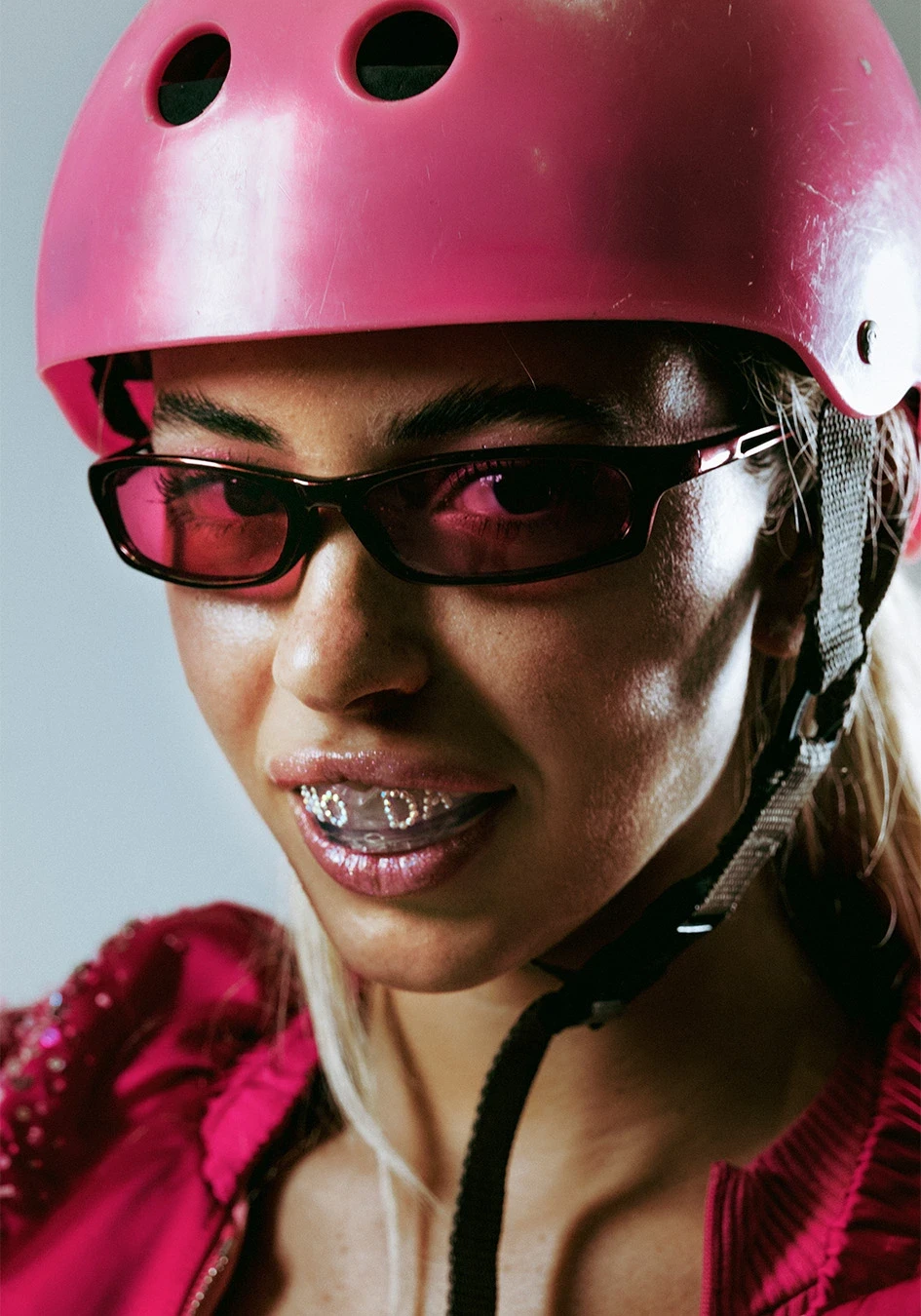
In selecting Nodaleto as her jumping off point, Ferrié aimed to maintain a strong thoroughline of the brand’s identity, while also challenging them creatively - a consistent theme throughout the overall project. The final images of Ferrié’s self-styled shoot capture the gritty ruthlessness of this pair, but her retro artistic direction and dynamic shots bring levity and quite a bit of fun to the piece. In another twist, Ferrié actually cast two real-life sisters to embody the roles, as she felt that a high level of comfortability between the models was key for executing such a brawl, perfectly encapsulated by their battered faces and the stomach-turning finger-stomping (portraying a level of aggression that anyone with a sibling can relate to some degree). Such action packed images are no challenge for Ferrié, being a dancer herself, and physicality and movement are consistent motifs in her work, within this collection and beyond.
When it came time to realize her exploration into the story of Sleeping Beauty, as with Nodaleto, Ferrié took inspiration yet again from the works of Tim Burton, specifically in terms of bringing life and depth to outcast characters. Working through the lens of young, provocative, and gender-bending Parisian brand Pressiat, Ferrié zeroed in once more on the story’s villain - the witch Maleficent.
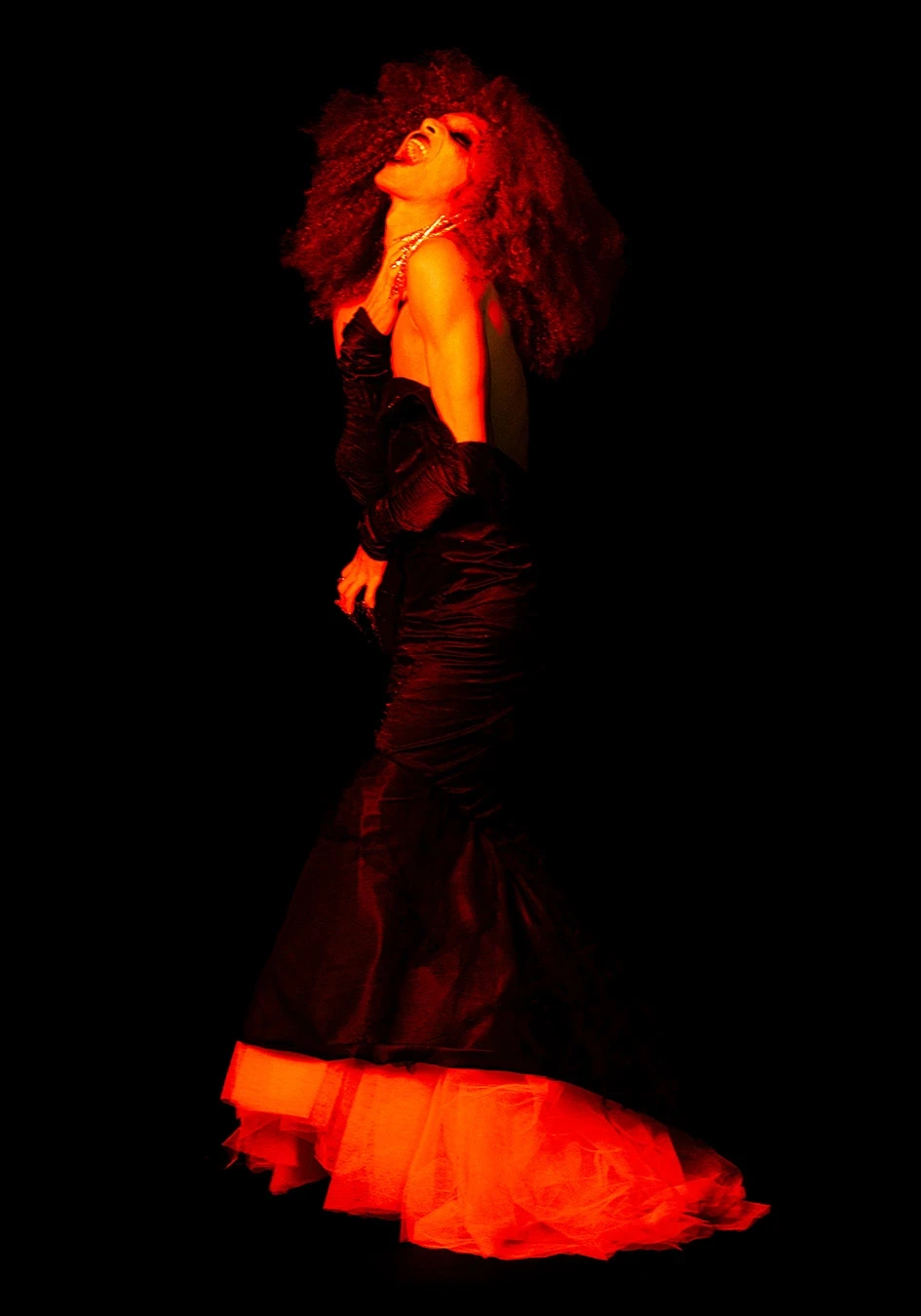
Casting is crucial in any creative project, and Ferrié’s choice of drag queen and multidisciplinary talent Mystic Electric to embody this complexly wicked character was spot on. The physicality and highly expressive nature of Mystic’s performance and Ferrié’s directorial style work symbiotically to create very strong visuals, particularly in an image depicting a close up of the former’s face.
This portrait may at first seem elementally more simple than others within the collection, but upon just seconds of further consideration, proves completely captivating.
Mystic’s uncanny red eyes and mostly-opaque glittery skin confront the viewer. While small peeks of warm-toned flesh and the depth of emotion within their facial expression reveal the humanity of this character - and succinctly captures the essence of Ferrié’s retelling of this tale: no longer banished to the sidelines, this witch dances on the ashes of her destruction.
In the third and final installment of Ferrié’s project moves away from the idea of villainy, but brings to the forefront a motif that is also apparent in both her reimaginings of Cinderella and Sleeping Beauty; queer identity. To circle back to the first leg of this project; though not exclusively, rollerderbys existence as a cultural and athletic phenomenon has long created a space for female-identifying and generally LGBTQ+ individuals to explore different expressions of femininity through full contact sport. In Ferrié’s exploration of Maleficent however, reflections on gender and sexuality are more readily apparent to the viewer due to Mystic’s embodiment of the role.
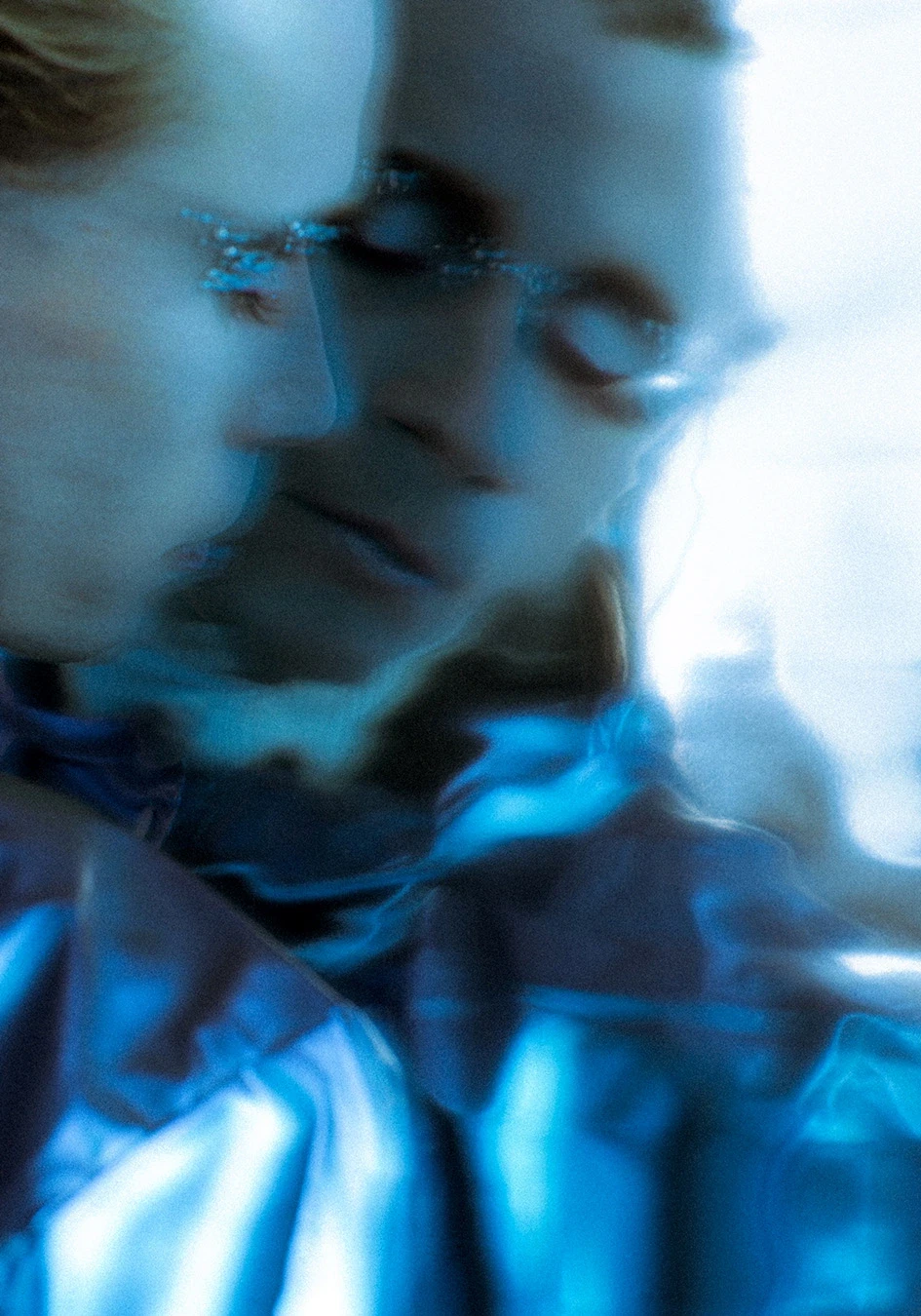
But it is in her reinterpretation of classic fairytale, The Little Mermaid, that Ferrié fully dives in to the unraveling and recontextualization of identity’s intersections with both the fictional and the real.
To do so, she created a thorough campaign proposal for Danish brand Rains, synthesizing The Little Mermaid’s origins, with what she described as the “boundary pushing experimental runway style” of the outerwear company. During Ferrié’s research into the story’s author, Hans Christian Andersen,
the most striking elements of her project were developed. Though famed for his fairytale compendium, few are aware of just how closely Andersen’s real-life may have inspired his fantastical stories, with it generally being accepted - due to his prolific journal-keeping - that Andersen experienced attraction to both men and women. More specifically, one can even view his famed tale on the unrequited love between mermaid and man (as in the original version, the prince is never made aware of the true nature of his savior and marries a human princess, causing the distraught Little Mermaid to dissolve into sea foam), as a parallel to Andersen’s own unreciprocated and historically taboo feelings for friend Edvard Collin.
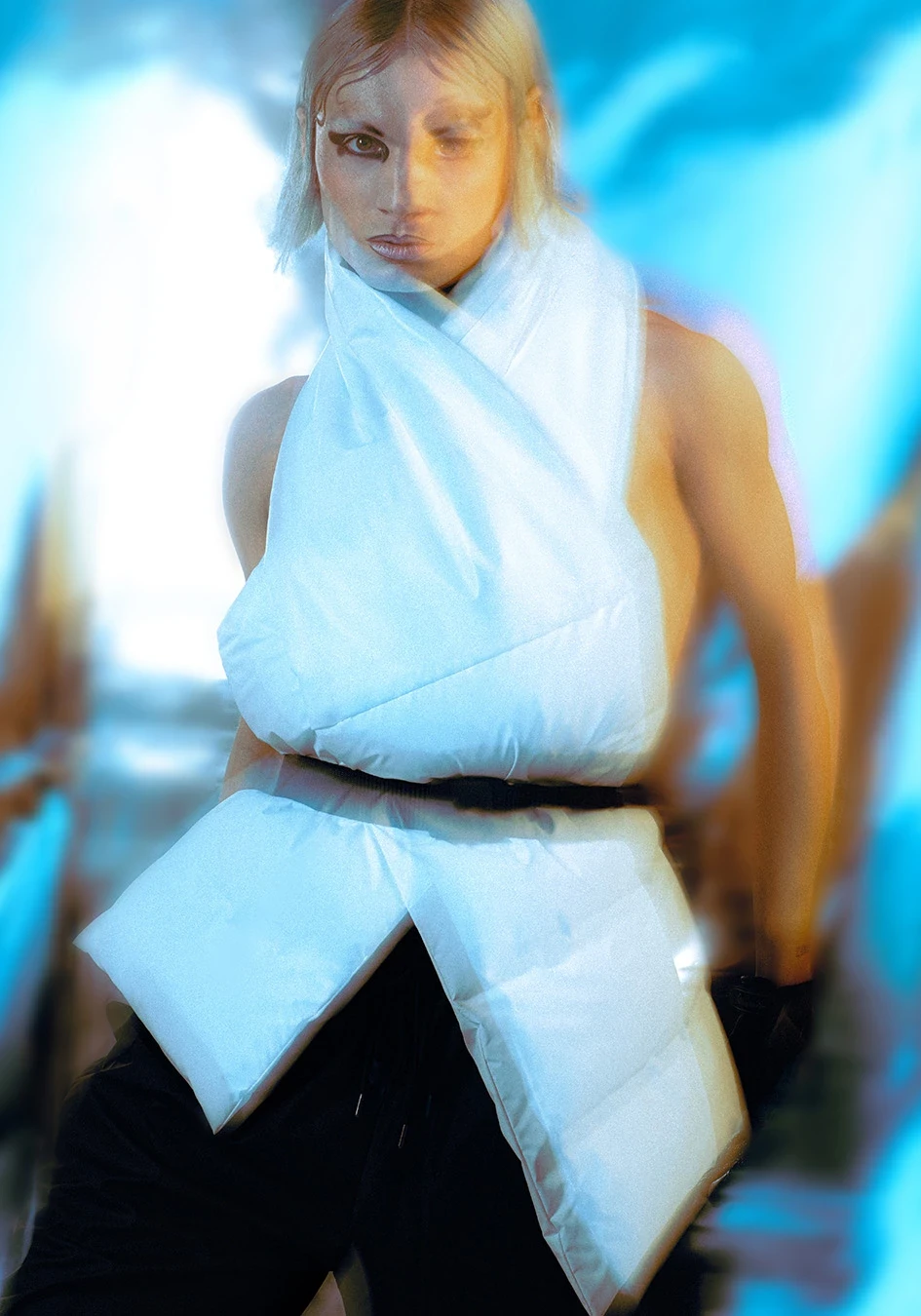
His love-struck declarations are expressed in snippets of letters that Ferrié proposed to project into one of Rains’ Copenhagen boutiques. Ferrié’s images for this section, depicting an androgynous “love story between two beautiful creatures” are interesting in their own right, but it is their rooting in this tragic tale, as well as her conceptualization for their implementation within a Rains campaign that really impresses.
All of the pieces presented at the 17S exhibition revealed numerous ways in which fashion editorial work and creative direction can be vehicles of strong messaging and beautiful imagery.
However, Ferrié’s Once Upon a Time served as a profoundly enjoyable exemplar of the multi-pronged capabilities of fashion as it intersects with storytelling. Though those she chose to reinvent may have all come from Northern Europe, across every culture worldwide, fairy tales, myths, and fables have long served as powerful communicative tools.
In connecting with the reader or listener at an emotional and unguarded level, they impart important messages about all aspects of the human condition. In her project Ferrié sought to harness the familiarity of such universal references, and “appeal to the collective unconscious,” successfully creating an opus that audiences will both remember and perhaps even learn from.
Doc/34 all rights reserved, sponsored by IFM.
" height="65.65946764590899px" id="biO_icj08" transform="translate(0 1.371)" width="59.174572953517554px"/><path d="M 63.167 33.692 C 63.167 54.377 50.565 68.088 31.544 68.088 C 12.524 68.088 0 54.69 0 33.927 C 0 13.163 12.371 0 31.626 0 C 50.882 0 63.17 13.163 63.17 33.692 Z M 46.89 33.848 C 46.89 21.155 41.097 13.477 31.626 13.477 C 22.155 13.477 16.206 21.234 16.206 33.848 C 16.206 46.463 22.077 54.533 31.626 54.533 C 41.176 54.533 46.89 46.698 46.89 33.848 Z" fill="rgb(0, 0, 0)" height="68.08839784893921px" id="A8_8V8D77" transform="translate(58.705 0.196)" width="63.17042207703656px"/><path d="M 43.755 24.133 C 42.268 17.003 38.119 13.477 31.388 13.477 C 21.838 13.477 16.281 20.998 16.281 33.927 C 16.281 46.855 22.073 54.455 31.779 54.455 C 36.084 54.455 39.763 52.653 42.033 49.519 C 43.363 47.638 43.911 46.071 44.381 42.781 L 60.662 45.209 C 59.175 51.869 57.453 55.709 54.165 59.548 C 49.312 65.111 41.72 68.088 32.249 68.088 C 22.778 68.088 14.637 65.111 9.08 59.47 C 3.287 53.593 0 44.426 0 33.927 C 0 23.427 3.287 14.26 9.471 8.149 C 14.872 2.899 22.778 0 31.935 0 C 42.033 0 49.938 3.448 55.026 10.264 C 57.531 13.477 58.861 16.376 59.879 20.998 Z M 100.346 1.41 L 72.246 77.804 L 58.235 77.804 L 86.414 1.41 Z" fill="rgb(0, 0, 0)" height="77.80411839929134px" id="v1AksvdEb" transform="translate(121.519 0.196)" width="100.34629996240147px"/><path d="M 16.594 46.933 C 17.064 49.519 17.533 50.616 18.786 51.948 C 20.899 54.142 24.03 55.317 27.787 55.317 C 33.892 55.317 37.728 52.261 37.728 47.482 C 37.728 44.269 36.162 41.762 33.501 40.743 C 31.701 40.117 29.274 39.725 26.222 39.725 C 23.169 39.725 19.647 39.881 16.594 40.195 L 16.594 26.718 C 19.255 27.032 21.838 27.188 24.891 27.188 C 32.327 27.188 36.006 24.681 36.006 19.666 C 36.006 15.435 33.031 13.007 27.865 13.007 C 22.308 13.007 19.49 15.2 18.316 20.215 L 1.409 17.786 C 2.896 12.928 4.148 10.578 6.653 7.835 C 11.428 2.664 18.629 0 28.178 0 C 36.71 0 43.755 2.351 48.216 6.66 C 51.112 9.559 52.6 13.32 52.6 17.786 C 52.6 26.091 48.138 31.263 39.137 33.378 C 43.911 34.083 46.494 35.18 49.234 37.531 C 52.521 40.508 54.4 44.583 54.4 49.127 C 54.4 53.123 53.304 56.806 51.269 59.548 C 49.547 61.899 46.807 64.092 43.911 65.424 C 39.841 67.305 33.501 68.48 27.63 68.48 C 20.586 68.48 13.541 66.835 9.393 64.092 C 5.792 61.742 3.053 58.294 1.331 53.985 C 0.861 52.888 0.548 51.869 0 49.832 Z" fill="rgb(19, 136, 8)" height="68.48016075605614px" id="UrmKxPWFQ" transform="translate(219.752 0)" width="54.399905030019454px"/><path d="M 0 37.844 C 2.348 35.233 4.853 32.36 7.514 29.226 L 24.5 9.324 C 28.257 5.015 29.744 3.056 31.779 0 L 47.825 0 C 47.355 4.623 47.199 7.757 47.199 13.007 L 47.199 38.471 L 49.469 38.471 C 51.895 38.471 54.478 38.236 57.218 37.844 L 57.218 52.104 C 54.87 51.791 51.973 51.634 49.547 51.634 L 47.199 51.634 L 47.199 55.552 C 47.199 59.94 47.355 62.212 47.825 65.189 L 31.701 65.189 C 32.092 62.525 32.327 59.235 32.327 55.395 L 32.327 51.556 L 10.176 51.556 C 5.088 51.556 2.896 51.634 0 51.869 Z M 32.405 29.539 C 32.405 26.013 32.562 21.704 32.875 18.256 C 31.309 20.45 30.135 22.017 28.022 24.681 L 16.594 38.628 L 32.405 38.628 Z" fill="rgb(19, 136, 8)" height="65.18935212489366px" id="nz3MAn0g5" transform="translate(272.782 1.567)" width="57.21774185674667px"/></g></svg>)