Reflections
“We Come for the Fantasy, We Stay for the Reality”, A Conversation with Wudi Tan
Written by Sofia Stagnitti
Wudi Tan is in his second year in the Masters Image program at IFM. Originally from China, he studied at Communication University of China, earning a bachelor's degree in film directing. Through his experiences working at GQ, L'Officiel, and Bottega Veneta, Wudi has constructed an academic and professional universe that continues to inform his creative process today. His work is rooted in identity: queerness, cultural displacement, and the quiet conditioning that shapes how we see ourselves and each other. In this conversation, we explore the current landscape of image and content production, the role of restriction as a creative force, and what it means to speak sharply in a language that isn't your own. His work is inspired by identity, cultural discrepancies, and the subtle conditioning that shapes how queer individuals move through the world. In this conversation, we explore Wudi’s current process for image and content production, the role of restriction as a means for creative refinement, and the importance of clarity when speaking a language that isn’t your own.
Sofia:
If you want to begin by introducing yourself and any other details you feel like you want to share, just to start things off?
Wudi:
My name is Wudi. Like the Toy Story character Woody. I'm also Chinese. My bachelors degree is in film directing, and from that, I gained a lot of technical skills, as film is a very technical medium.
Sofia:
What informs your creative process now?
Wudi:
I feel eager to create something but I need to find a topic that I can relate to. It's always about identity. Of course, I'm queer, and in China I'm a little bit different, even kind of weird because I wear women's clothes. I think it's interesting to explore different parts of queer culture and that inspires my work. I feel like it's kind of my duty to say something because nowadays, within the queer community, there's still a lot of difficulties and it's kind of a rush for me to speak on behalf of myself and the community. For example, the first film I did was called “The Great Phallus”, inspired by the pornography industry. I did some research on consumer data and almost every year, “big dick” is the top category people search for. I kind of feel like the male penis as a symbol of power cultivates our mindset, so we’re always looking for something bigger and always searching for power.
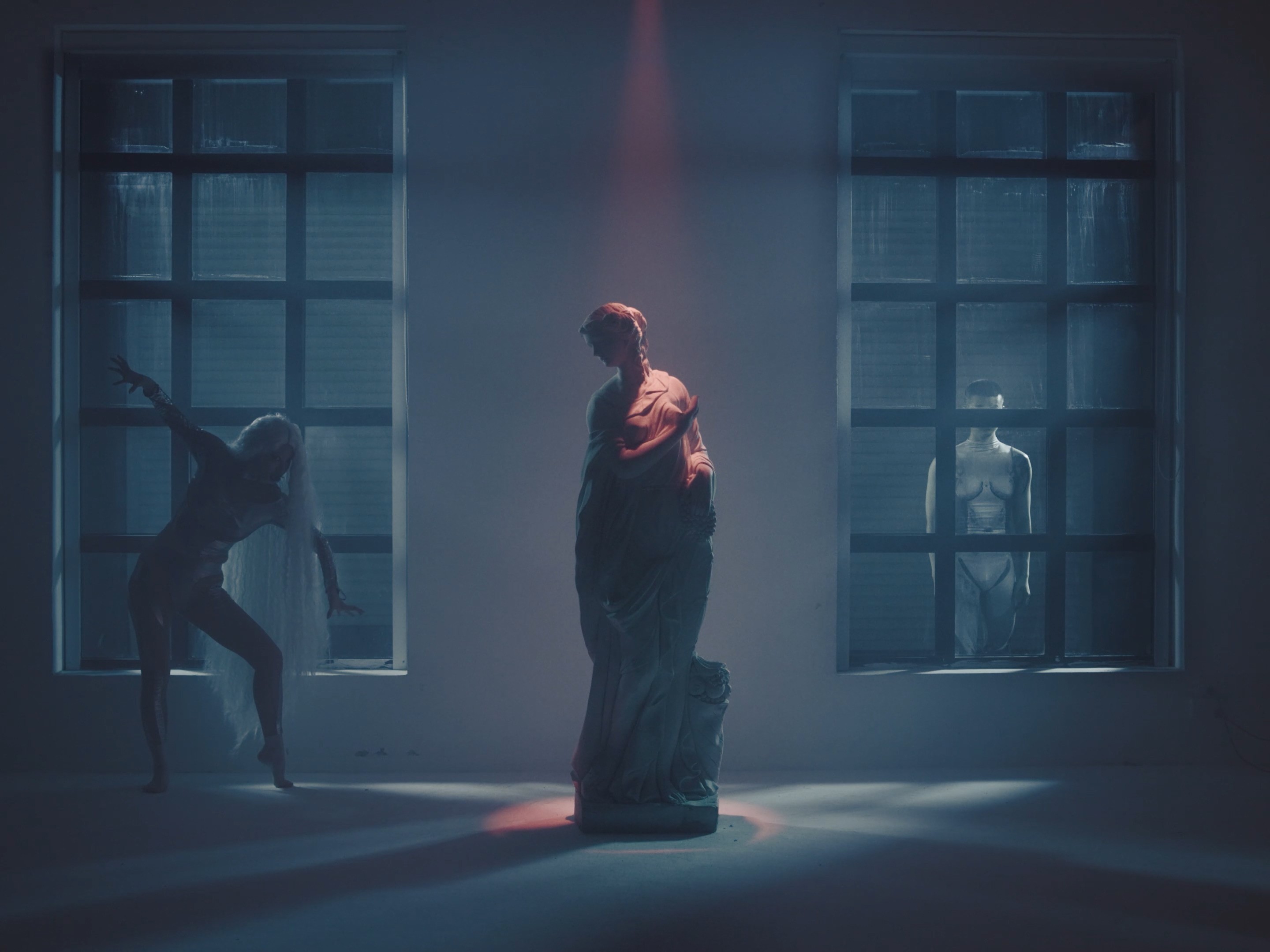
Still from Great Phallus, directed by Wudi Tan
My second film is also about gay porn, because as a gay person, I don't watch heterosexual or “normal” porn. I started my research from the same data & statistics on people’s habits. I think pornhub did the research 5 or 6 years ago, where straight male porn is always the number one category searched for in gay porn. So I find it's kind of like brainwashing in a way. In a very subtle way, because no one talks about it.
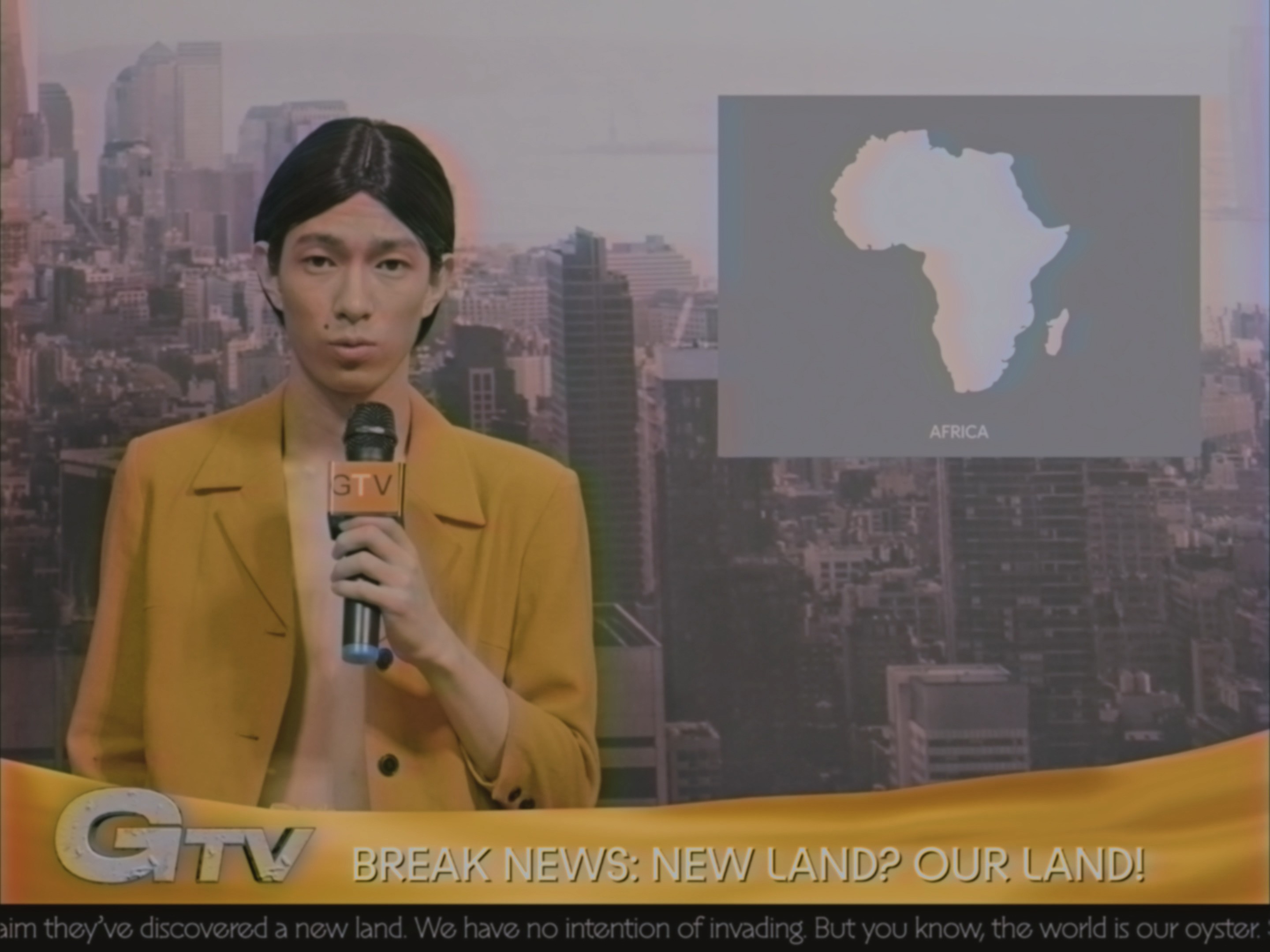
Still from Straight's war, directed by Wudi Tan
Also, when I did my research, I found out there are some porn companies that hire straight people to act in gay porn. Maybe because there's less restriction and the actors can say, oh, I just did it for pay. Whereas, if a gay man did gay porn, it would force him to come out. In the gay community, everyone watches porn, therefore, everyone will know you’re a porn star. But if you are a straight man that does gay porn, no one will know. Also, I think for the audience, it's a whole genre in itself. The way that people in the queer community are also conditioned to enjoy watching straight people. I think in the queer community, we admire too much the idea of looking straight or being “straight passing”.
Sofia:
IFM does a lot of collaborations with considerably commercial brands, like Ami. How do you balance the creative side and wanting to create work that reflects your personal taste with the more commercial aspect?
Wudi:
I think I’ve changed my mind recently. At first I always felt like fashion is a mix between art and business, but recently I feel like art is art and business is just business. When I work for a brand, it's for money, and I need to adjust my taste. Brands hire you and use your ideas for their uniqueness, not because you made something similar to what the brand has already done. For example, we did a collaboration with Ami last year in our magazine workshop and Ami is always about happiness and friendship. But I remember Alexandre Mattiusi, the creative director, said during the brief that they cherish authenticity. Authenticity to me is a big word, it means reality, and friendship is not always about happiness. Sometimes it's about sadness. So, I related my emotional and conceptual approach to the project. I recently experienced a sad moment where I had to say goodbye to a good friend. I just started with this and developed an editorial called, “We are friends, we were friends”, to talk about the fragility of saying goodbye. I think nowadays, at IFM, I’m finding a good balance between what I want to see and what the brand wants to see.
Sofia:
Is there any concept or emotion that you would love to try and capture in your work, but don’t know where to begin and/or how to execute it?
Wudi:
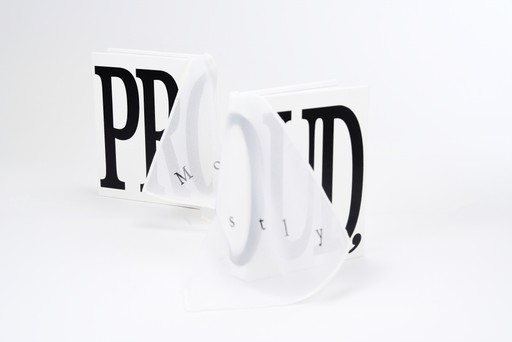
I mean everyone has their limitations for sure. For example, nowadays I'm developing my own magazine for my graduation project called “Proud, Mostly”. In general, the book has to convey a certain topic, and has to be deep enough. The dilemma for me is that I’ve already chosen the visual identity, a kind of fragile, documentary style approach but sometimes I have crazy ideas that I want to do but the visual approach is completely different. So I have to cut it out and leave it to the side to revisit in the future because it’s too different from the visual identity. I feel like the work has to be simple enough to convey a certain message to the audience. I don't want anything to disrupt or distract people. I also feel it's about the budget. As of now, I don't have a sponsor. My parents are my sponsors. And fashion is not cheap, at all. So it becomes a hierarchical thing because there's a lot of things I want to do, but I don’t have the time or money. You have to give up something. But, of course, you have a lot of things to do so it's okay.
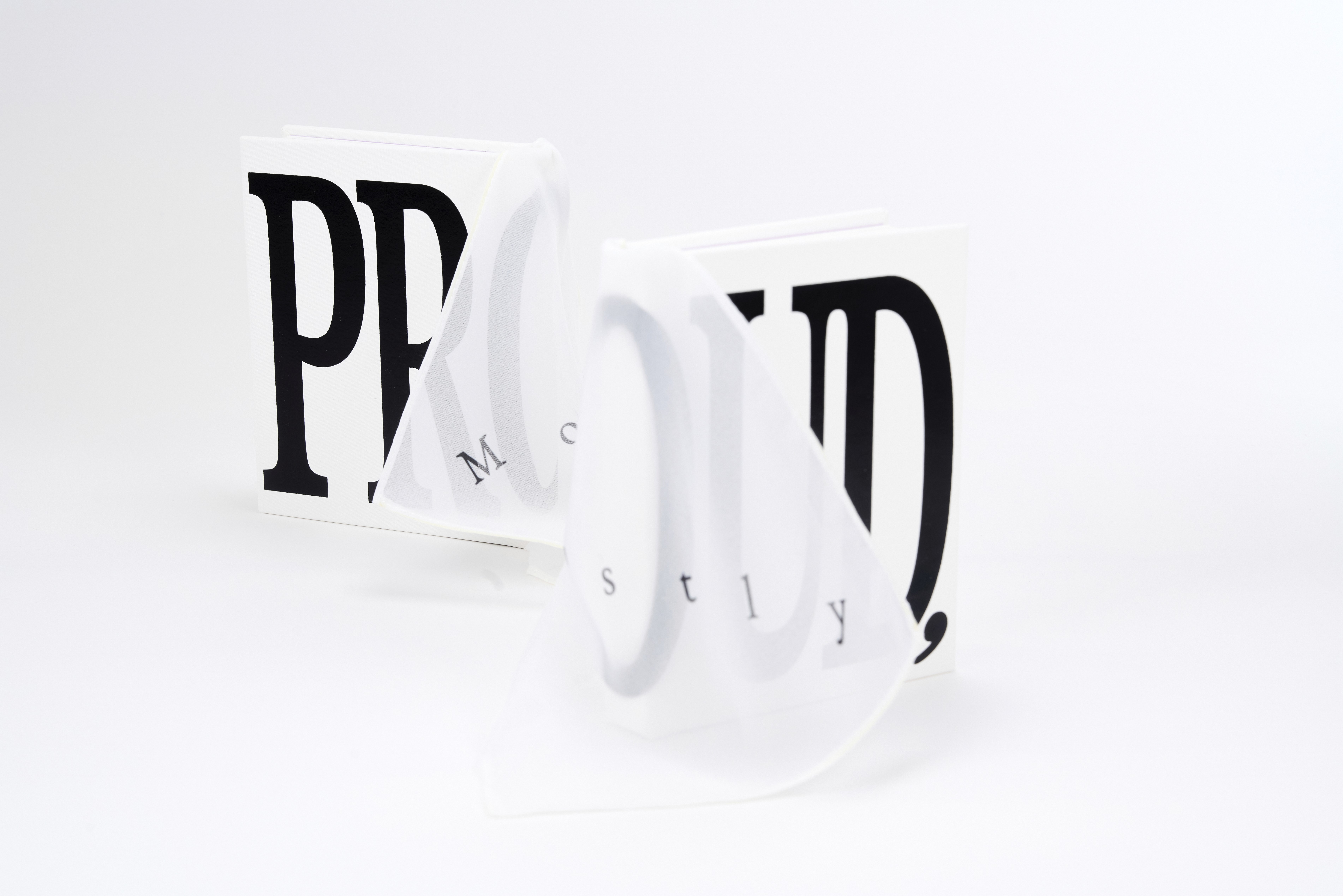
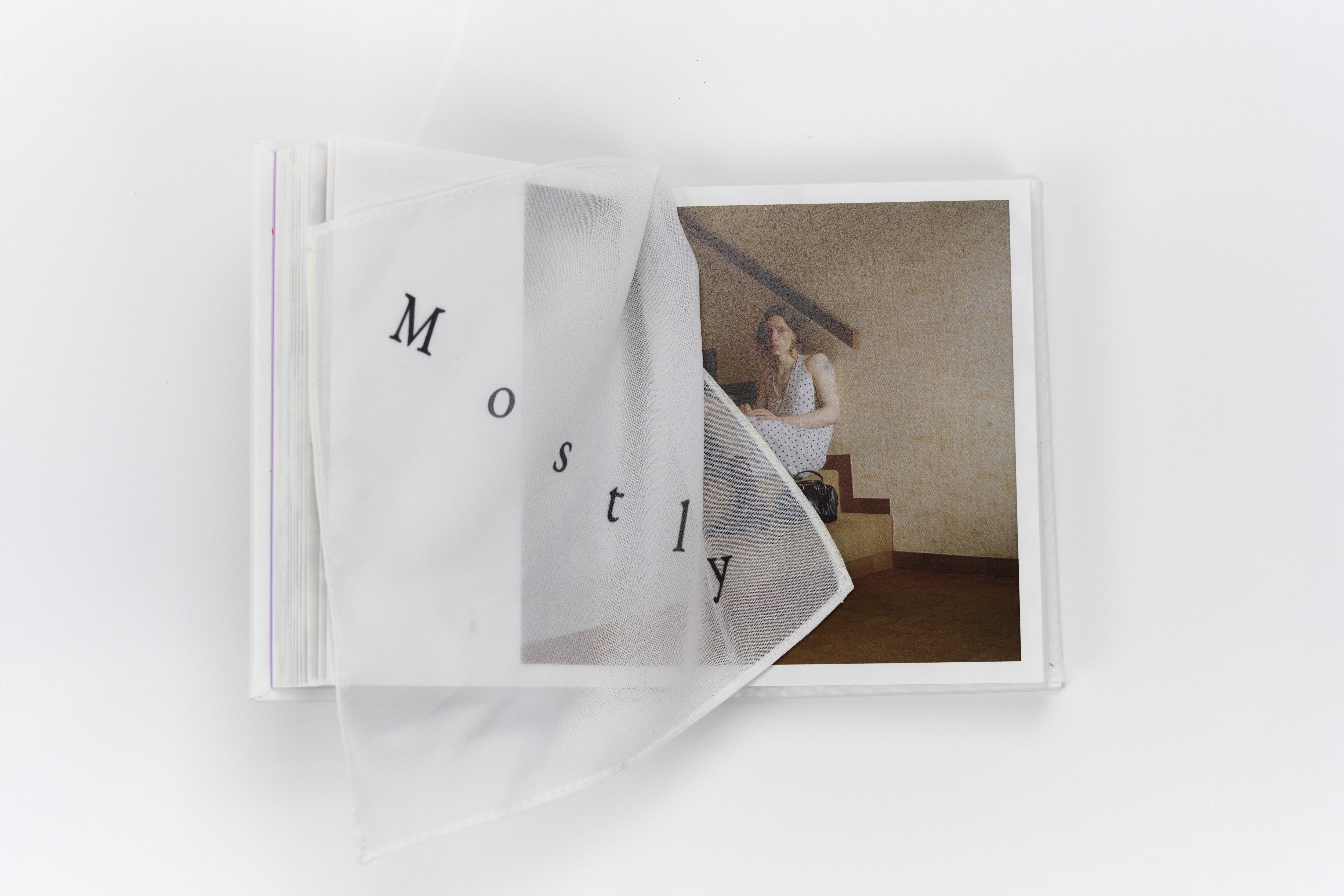
"Proud, Mostly Magazine" by Wudi Tan, IG : @Proud_mostly_magazine
Sofia:
Do you find restrictions to be creatively inspiring? Or do you just find it restrictive?
Wudi:
Yes. For example, the restrictions I mentioned before, with the magazine. Because of these restrictions, I need to cut a lot out. But in a way, after I cut these things out, it makes my work even stronger because now it speaks in one tune. Another restriction is the language barrier. I come from China, and in Chinese, I can create something really psychological with a lot of deep material. Since moving to Paris, I feel sometimes it's hard for people to understand the metaphors I use. Chinese is a very high context language so you need a lot of background knowledge to understand certain things. However, it’s not a bad thing. Not speaking English has forced me to cut down and make things simple. I feel that in Chinese, sometimes I use a lot of metaphors to hide the reality that I don't know or don't know what I'm saying. You can use a lot of beautiful wording and poetic sayings to hide your fears. But in English, I'm forced to speak in a very sharp way and every time I say something, it has to make sense.
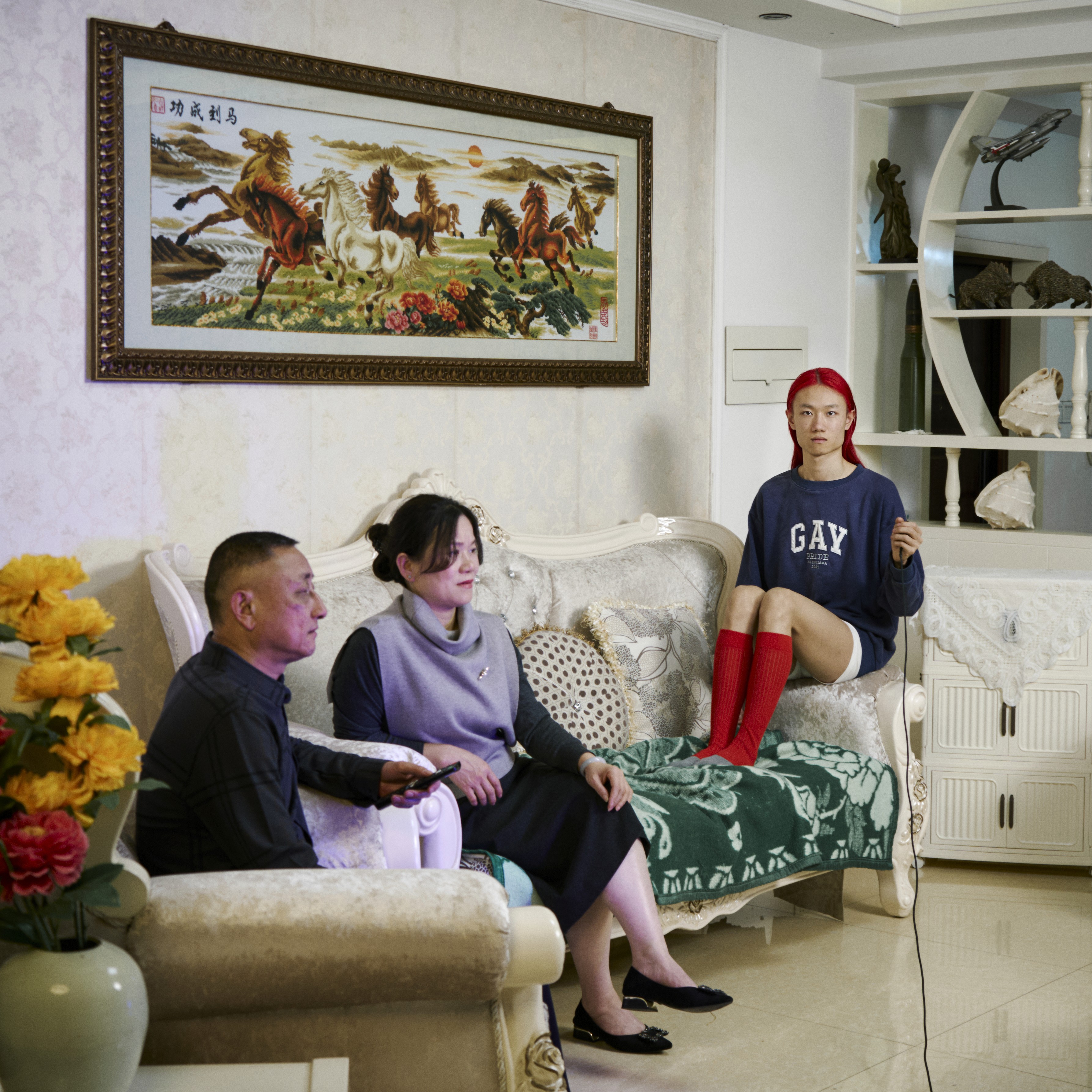
Transfer, photo by Wudi Tan
Sofia:
Do you have any inspirations right now, or references? What inspires your work?
Wudi:
These days I really love photography. I think it's also a new era where I’ve decided I want to focus more on photography than video. I think photography is something where you need to be direct and make it precise. It's a very simple art, not like video, where you have different layers. Recently, I really love documentary photography. It's not a new approach, but I feel that now people are looking for something authentic and real, not just like a happy party kind of Donatella Versace image. No longer talking about fantasy, but instead about everyday life. The real world.
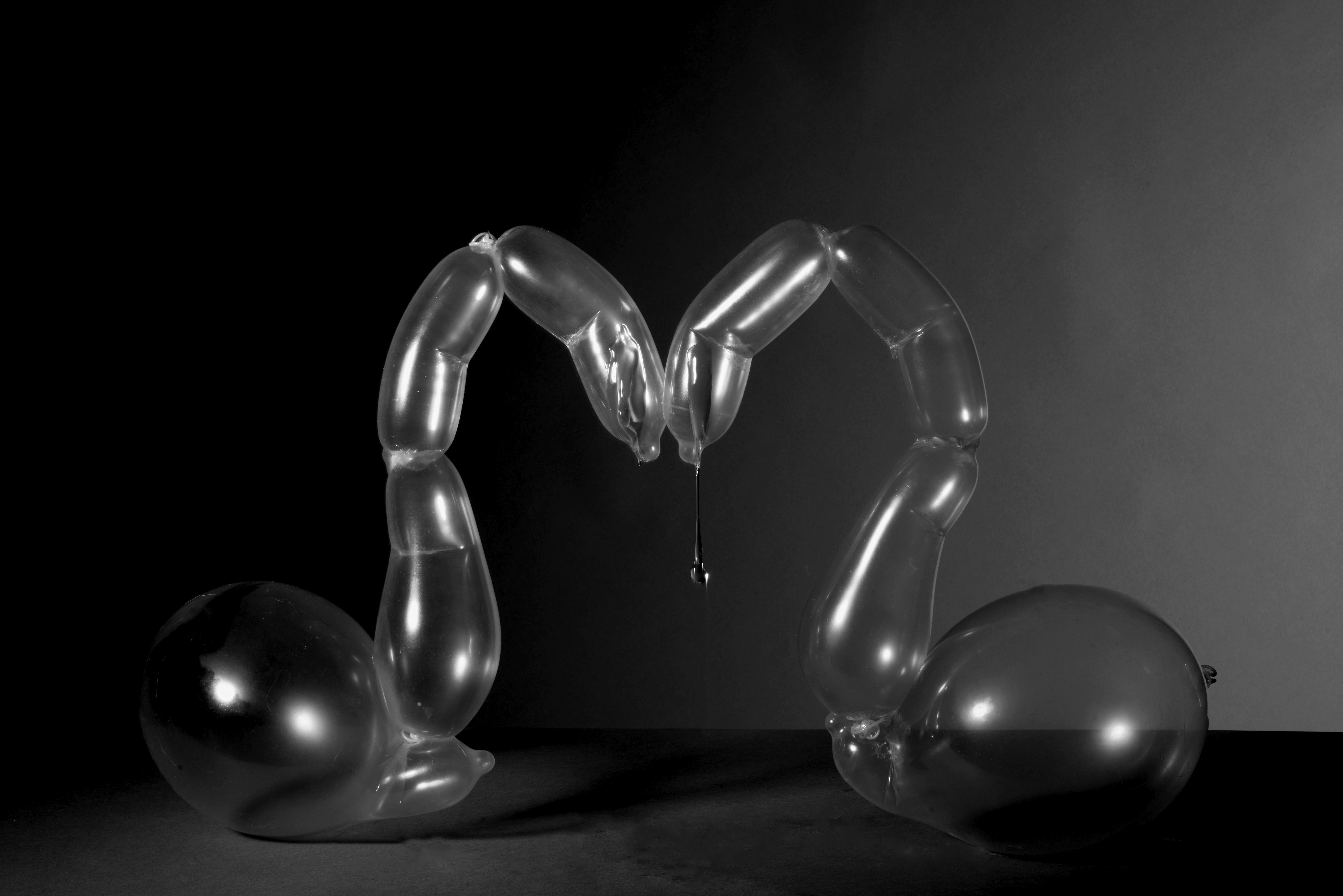
"Romeo f**ck me" photo by Wudi Tan
Sofia:
It's interesting since you came into fashion through fantasy.
Wudi:
I think many of us do, and then we stay for the reality.
Sofia:
Speaking of fantasy, are you a dreamer? And have you had any dreams lately that you remember?
Wudi:
I think I mostly have panic attacks in my dreams about my final project. Recently, I haven’t had that many dreams. I watched Past Lives by Celine Song recently and I remember Greta Lee’s partner in the film said that sometimes Greta will speak in Korean in her dreams, but her partner never understands. I kind of feel that will be my future. I mean, sometimes misunderstanding can also be beautiful.
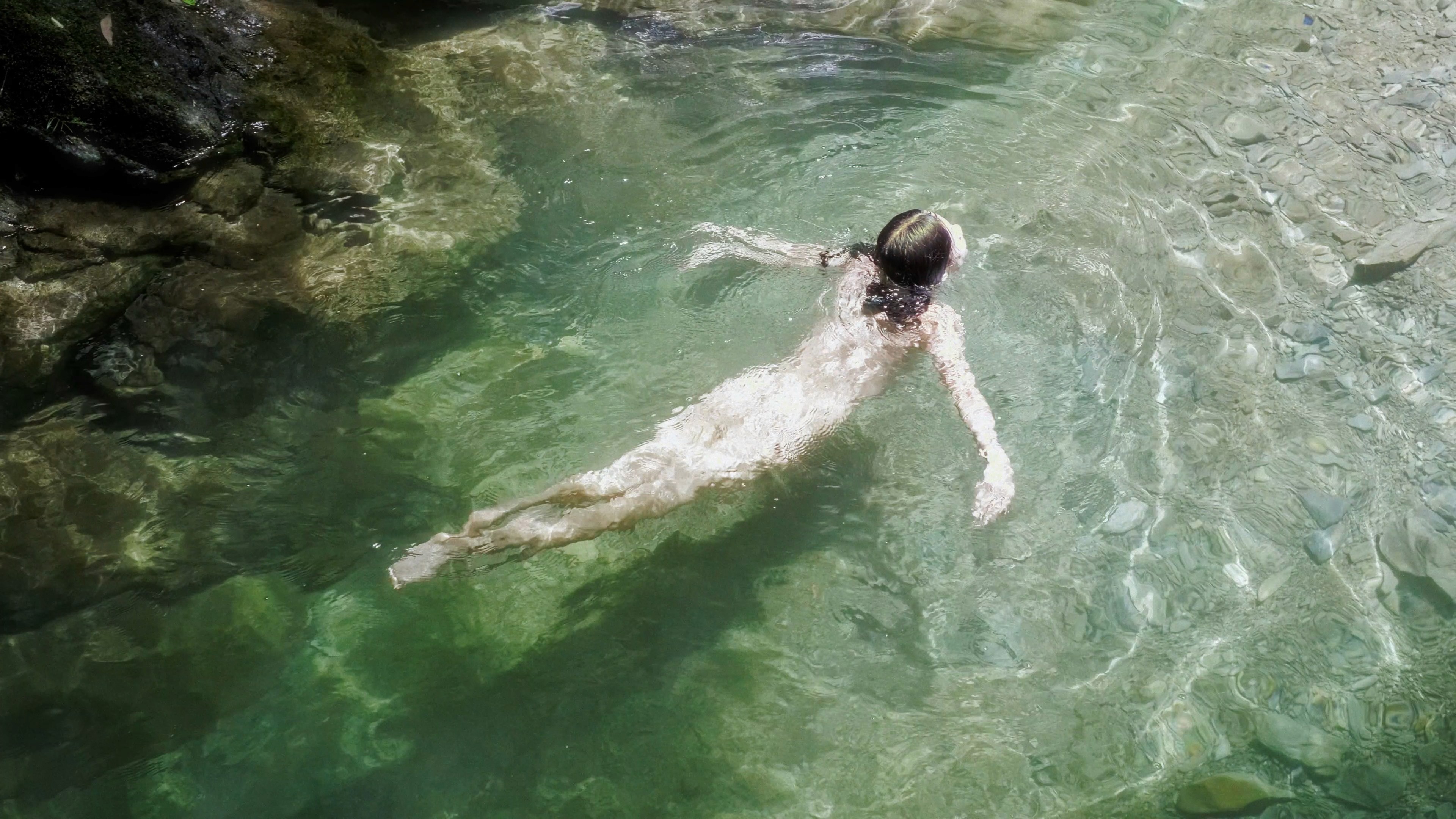
"Find Water", directed by Wudi Tan
Find more works at wuditan.fr
Doc/34 all rights reserved, sponsored by IFM.
" height="65.65946764590899px" id="biO_icj08" transform="translate(0 1.371)" width="59.174572953517554px"/><path d="M 63.167 33.692 C 63.167 54.377 50.565 68.088 31.544 68.088 C 12.524 68.088 0 54.69 0 33.927 C 0 13.163 12.371 0 31.626 0 C 50.882 0 63.17 13.163 63.17 33.692 Z M 46.89 33.848 C 46.89 21.155 41.097 13.477 31.626 13.477 C 22.155 13.477 16.206 21.234 16.206 33.848 C 16.206 46.463 22.077 54.533 31.626 54.533 C 41.176 54.533 46.89 46.698 46.89 33.848 Z" fill="rgb(0, 0, 0)" height="68.08839784893921px" id="A8_8V8D77" transform="translate(58.705 0.196)" width="63.17042207703656px"/><path d="M 43.755 24.133 C 42.268 17.003 38.119 13.477 31.388 13.477 C 21.838 13.477 16.281 20.998 16.281 33.927 C 16.281 46.855 22.073 54.455 31.779 54.455 C 36.084 54.455 39.763 52.653 42.033 49.519 C 43.363 47.638 43.911 46.071 44.381 42.781 L 60.662 45.209 C 59.175 51.869 57.453 55.709 54.165 59.548 C 49.312 65.111 41.72 68.088 32.249 68.088 C 22.778 68.088 14.637 65.111 9.08 59.47 C 3.287 53.593 0 44.426 0 33.927 C 0 23.427 3.287 14.26 9.471 8.149 C 14.872 2.899 22.778 0 31.935 0 C 42.033 0 49.938 3.448 55.026 10.264 C 57.531 13.477 58.861 16.376 59.879 20.998 Z M 100.346 1.41 L 72.246 77.804 L 58.235 77.804 L 86.414 1.41 Z" fill="rgb(0, 0, 0)" height="77.80411839929134px" id="v1AksvdEb" transform="translate(121.519 0.196)" width="100.34629996240147px"/><path d="M 16.594 46.933 C 17.064 49.519 17.533 50.616 18.786 51.948 C 20.899 54.142 24.03 55.317 27.787 55.317 C 33.892 55.317 37.728 52.261 37.728 47.482 C 37.728 44.269 36.162 41.762 33.501 40.743 C 31.701 40.117 29.274 39.725 26.222 39.725 C 23.169 39.725 19.647 39.881 16.594 40.195 L 16.594 26.718 C 19.255 27.032 21.838 27.188 24.891 27.188 C 32.327 27.188 36.006 24.681 36.006 19.666 C 36.006 15.435 33.031 13.007 27.865 13.007 C 22.308 13.007 19.49 15.2 18.316 20.215 L 1.409 17.786 C 2.896 12.928 4.148 10.578 6.653 7.835 C 11.428 2.664 18.629 0 28.178 0 C 36.71 0 43.755 2.351 48.216 6.66 C 51.112 9.559 52.6 13.32 52.6 17.786 C 52.6 26.091 48.138 31.263 39.137 33.378 C 43.911 34.083 46.494 35.18 49.234 37.531 C 52.521 40.508 54.4 44.583 54.4 49.127 C 54.4 53.123 53.304 56.806 51.269 59.548 C 49.547 61.899 46.807 64.092 43.911 65.424 C 39.841 67.305 33.501 68.48 27.63 68.48 C 20.586 68.48 13.541 66.835 9.393 64.092 C 5.792 61.742 3.053 58.294 1.331 53.985 C 0.861 52.888 0.548 51.869 0 49.832 Z" fill="rgb(19, 136, 8)" height="68.48016075605614px" id="UrmKxPWFQ" transform="translate(219.752 0)" width="54.399905030019454px"/><path d="M 0 37.844 C 2.348 35.233 4.853 32.36 7.514 29.226 L 24.5 9.324 C 28.257 5.015 29.744 3.056 31.779 0 L 47.825 0 C 47.355 4.623 47.199 7.757 47.199 13.007 L 47.199 38.471 L 49.469 38.471 C 51.895 38.471 54.478 38.236 57.218 37.844 L 57.218 52.104 C 54.87 51.791 51.973 51.634 49.547 51.634 L 47.199 51.634 L 47.199 55.552 C 47.199 59.94 47.355 62.212 47.825 65.189 L 31.701 65.189 C 32.092 62.525 32.327 59.235 32.327 55.395 L 32.327 51.556 L 10.176 51.556 C 5.088 51.556 2.896 51.634 0 51.869 Z M 32.405 29.539 C 32.405 26.013 32.562 21.704 32.875 18.256 C 31.309 20.45 30.135 22.017 28.022 24.681 L 16.594 38.628 L 32.405 38.628 Z" fill="rgb(19, 136, 8)" height="65.18935212489366px" id="nz3MAn0g5" transform="translate(272.782 1.567)" width="57.21774185674667px"/></g></svg>)